
Hemp as a Material, Not a Trend
A practical look at industrial hemp in fabric, building and everyday goods, and what it means for a lower-impact home.
Hemp is one of the oldest fiber crops people have grown. Today it turns up in shirts, rope, insulation, paper, bioplastics and garden mulch. Living Green Hemp looks at the plant as a working material: what it is good at, where it falls short, and how to use it well.
Where hemp shows up
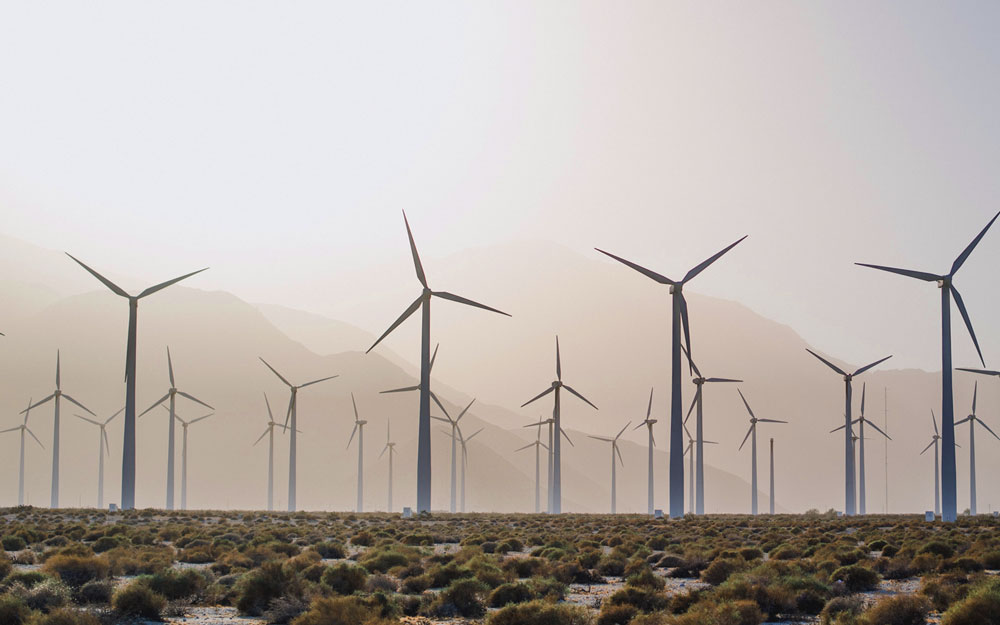
Textiles
Long bast fibers spun into canvas, denim, linen-like weaves and blends with cotton or wool.
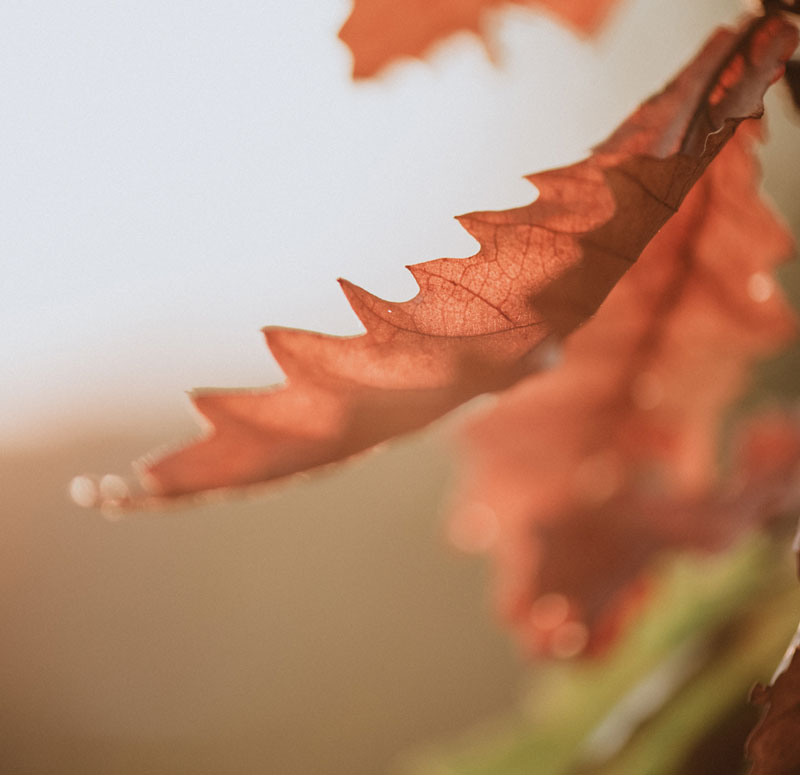
Building
Hemp hurd mixed with lime makes hempcrete. Fiber batts serve as insulation.
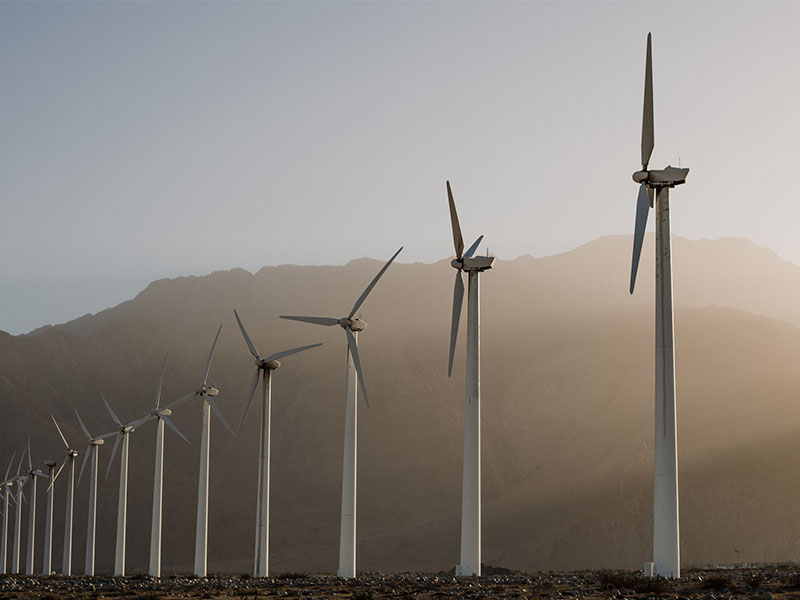
Everyday goods
Twine, bags, paper, animal bedding, and composite panels for furniture.
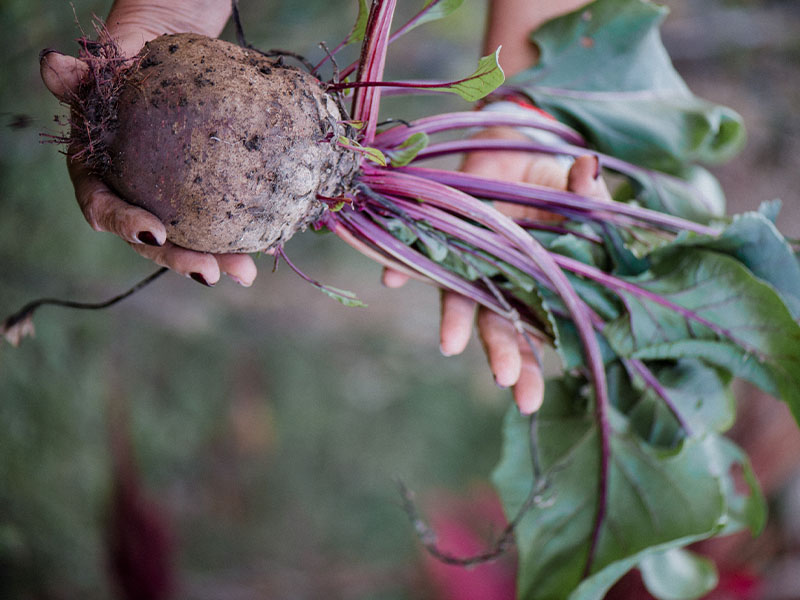
Garden
Hurd mulch and biodegradable plant ties that break down at the end of a season.
Why people choose it
Hard-wearing
Hemp fiber is strong and tends to soften with washing instead of thinning out.
Whole-plant use
Fiber, hurd and seed each have uses, so less of the harvest goes to waste.
Honest limits
It wrinkles, it can be scratchy before it softens, and it is not always cheap. We say so.
This site is about industrial hemp as fiber and building material. It is not about health products, and nothing here is medical advice. Rules on growing hemp vary by state and country.
Common questions
- Is hemp fabric durable enough for everyday clothes?
- What is hempcrete and how is it used?
- Does hemp use less water than cotton?
Start with a small swap
Seven hemp swaps for a lower-impact home. Simple changes, from tea towels to garden twine.
Hemp as a material for clothes, homes and everyday living